|
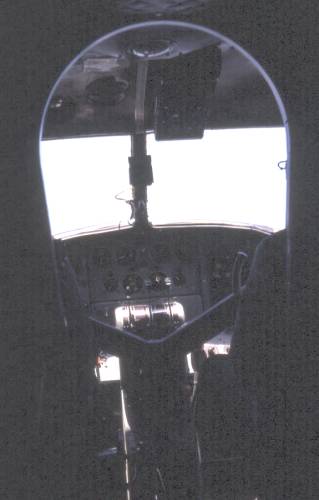
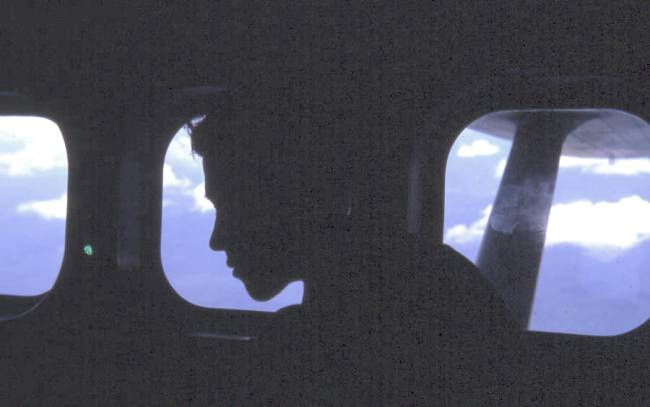
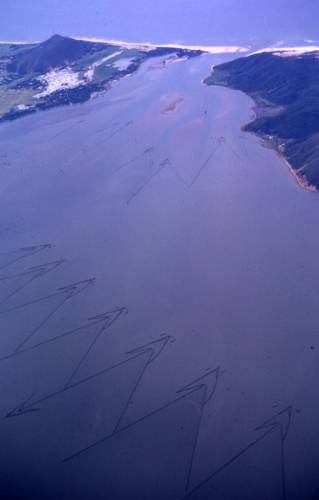
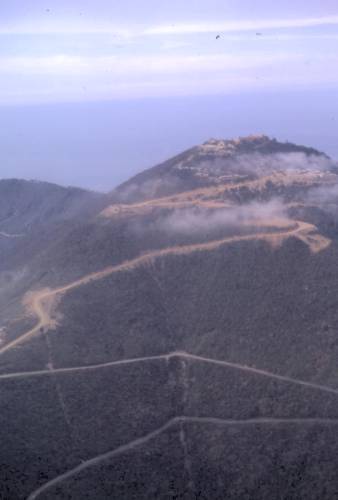
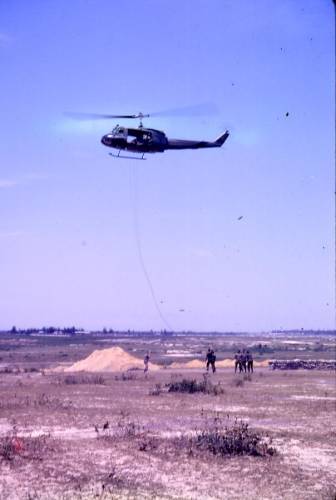
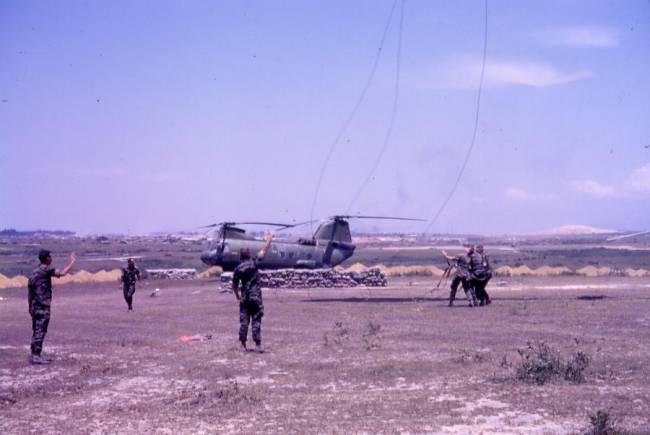
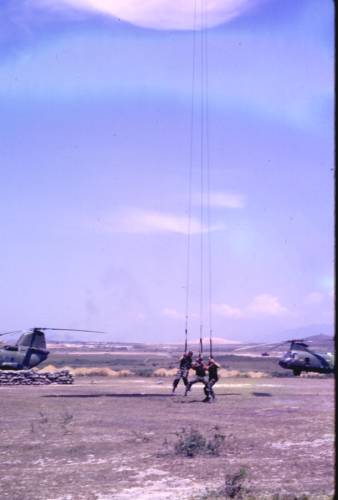
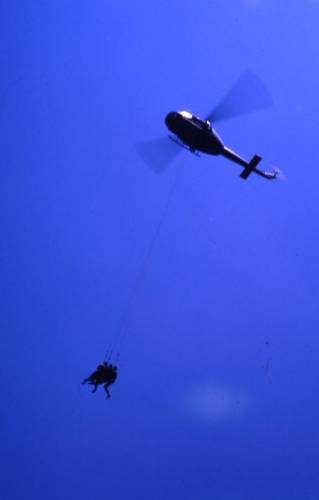
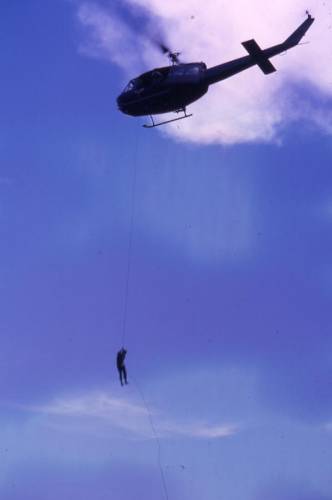
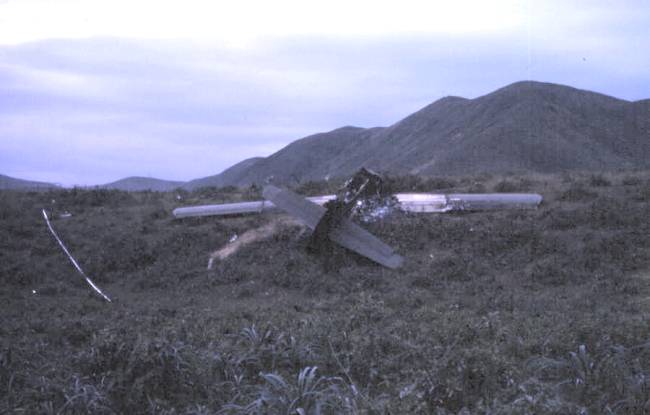
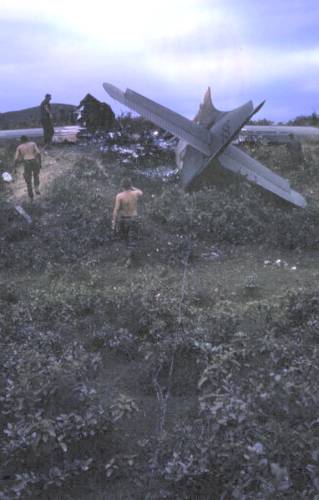
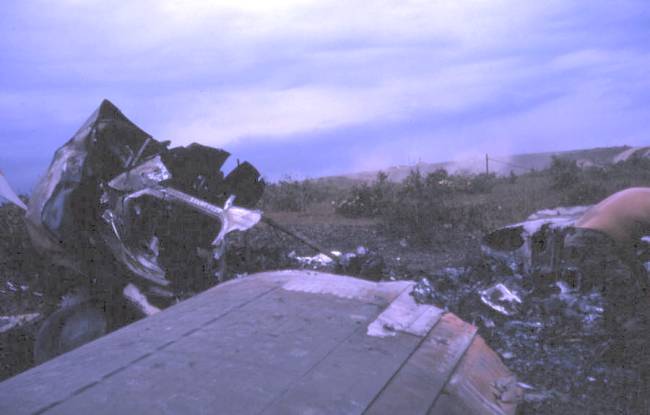
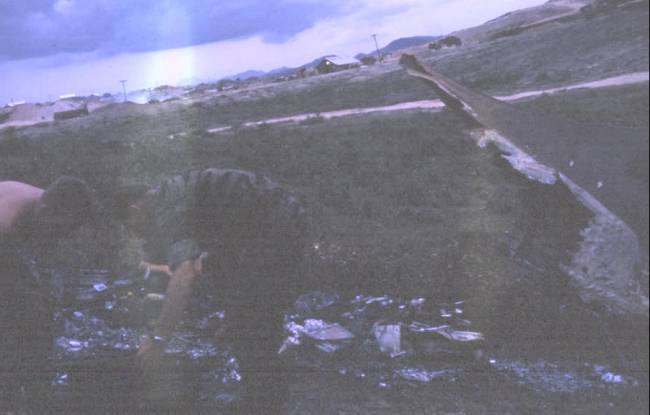
Narrative for the following photos:
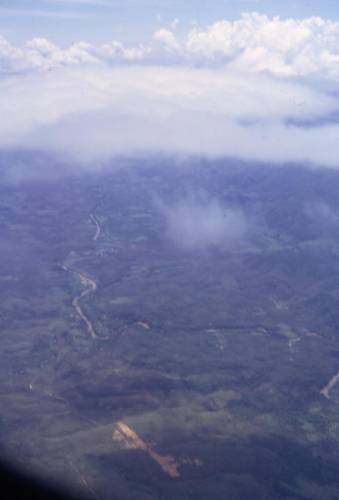
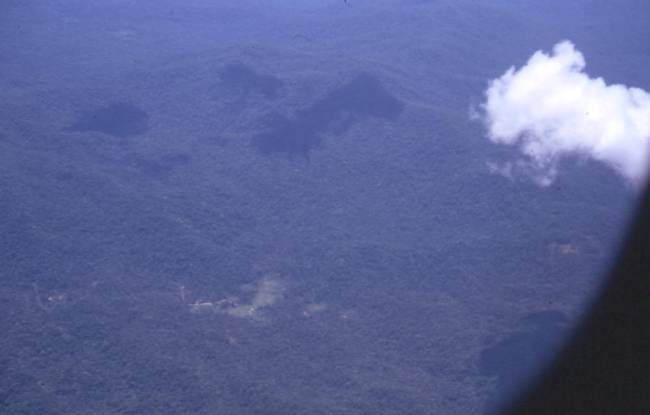
The A Shau valley was the recon target. It was common knowledge the
valley was a main supply line from the Ho Chi Min trail, just across
the border west, into South VN. The closer we got to the valley
itself, the hotter it got. Teams were not even getting in on their
infil points so they were picking secondary infiltration/insertion LZs
and in some cases a third LZ, just in case the first two were
"occupied". There was a lot of contact and Road Runner teams had
picked up information leaflets printed on the "bamboo press" and
distributed to NVA units in the area. These leaflets spoke of Project
Delta being a recon unit and not to make contact with a Delta team,
just monitor them, unless it was about to stumble onto a big cache or
unit. Then, only attack them if they could eliminate the team within
10 minutes. The NVA had earlier learned the hard way.
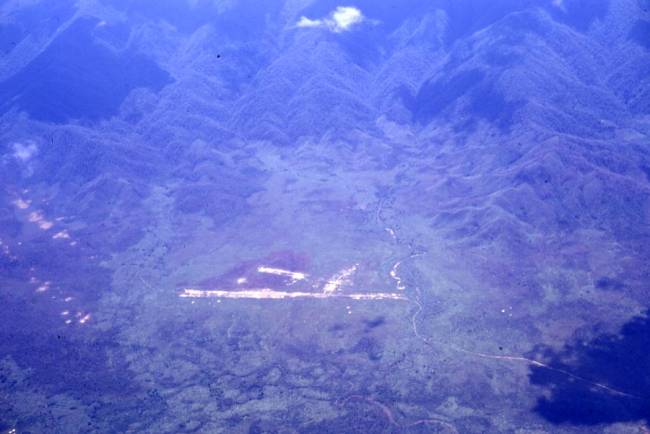
There were three old camps in the valley. The three had originally
been built by the French. A Luoi was northern most, them Ta Bat, and
on the south end, A Shau, It was also closest, 3 miles, from the Lao
border. That was probably why it was chosen for an A camp. This camp
was overrun a year earlier and never re-occupied. I still have an Argosy
magazine, dated August 1967, which details the fight for camp A Shau and
its evacuation. The NVA couldn't tolerate its presence on their main
trail.
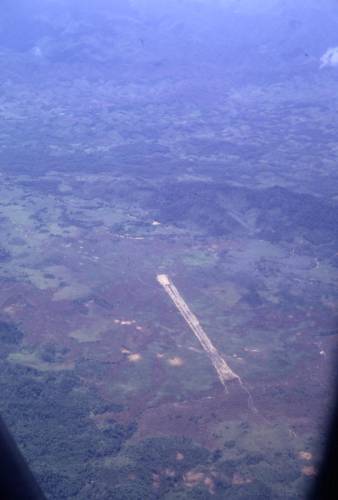
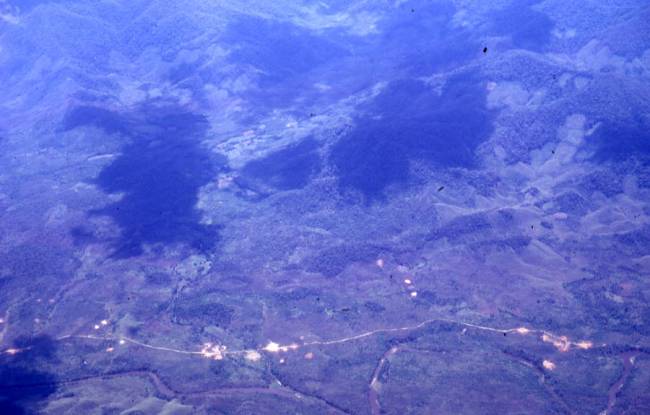
The PSP (perforated steel plate) airstrip at old camp A Shau was being
cannibalized by the NVA to repair their main trail down the middle of
the valley, which was constantly bombed, especially at night. Cpt Alan
Groth, FAC (Forward Air Control) was very familiar with the valley. He
was trying to catch a bulldozer which he had seen carrying PSP from A
Shau to the craters in the road. He would be there at first light but
by the time he called in TAC Air, the dozer would hide in the trees.
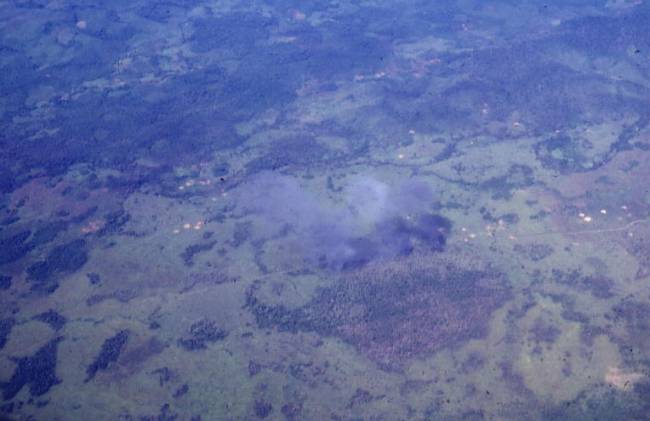
The morning I went with him, he had the TAC air standing by and the
dozer was toast (see photo no. 37 below). |